
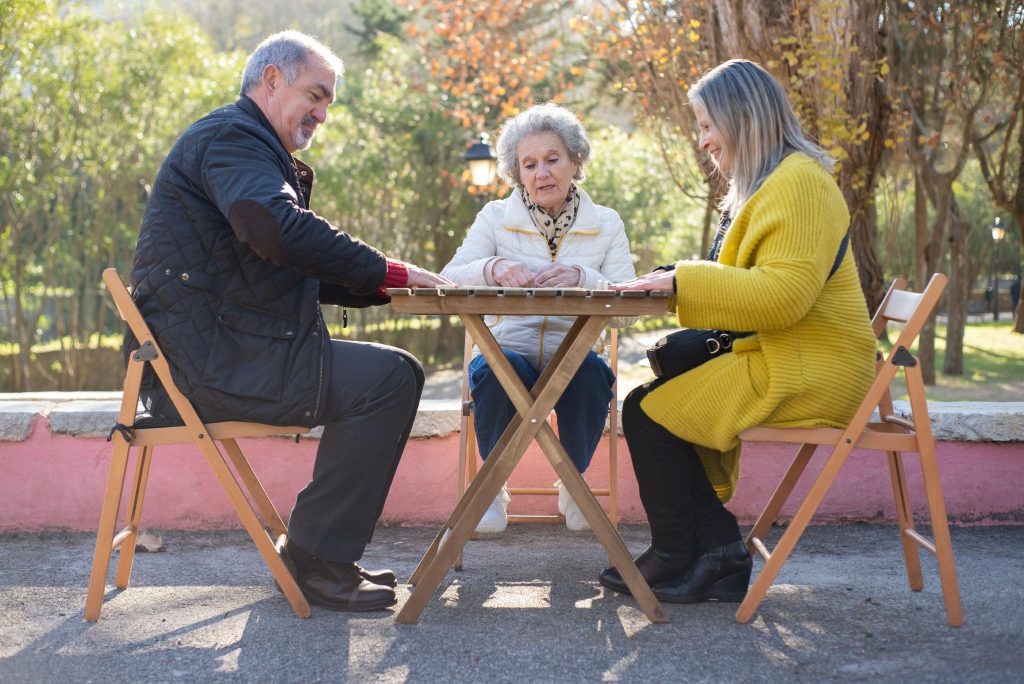
As people move into later stages of life, the importance of comfort and meaningful connection becomes increasingly clear. Daily routines, living environments, and social interactions all play a crucial role in shaping overall well-being. While aging may bring changes, it also presents opportunities to build fulfilling relationships and create a sense of peace and belonging.
Fostering connection and comfort is not limited to major life decisions. In many cases, it comes down to small, thoughtful choices that support both emotional and physical needs. By focusing on these elements, older adults can enjoy a lifestyle that feels both supportive and enriching.
The Importance of a Comfortable Environment
A comfortable living environment forms the foundation for a positive experience in later life. The spaces we inhabit influence how we feel each day, from our ability to relax to how easily we can move and complete everyday tasks. Creating an environment that feels safe, familiar, and welcoming can significantly improve overall quality of life.
Comfort often comes from a blend of physical design and emotional familiarity. Soft lighting, accessible layouts, and personal touches such as photographs or keepsakes can make a space feel more like home. These details help create a sense of stability and reassurance, which is especially valuable during times of transition.
In addition to emotional comfort, practical considerations also play a role. Ensuring that living spaces are easy to navigate and support independence allows older adults to maintain confidence in their daily routines.
Building Strong Social Connections
Connection is one of the most important aspects of a fulfilling life, regardless of age. In later years, maintaining social relationships can help combat feelings of isolation and promote emotional well-being. Regular interaction with others provides opportunities for laughter, shared experiences, and a sense of belonging.
Friendships, family relationships, and community involvement all contribute to a strong support system. Even small interactions, such as conversations with neighbors or participating in group activities, can have a positive impact. These connections create a network of support that enhances both emotional resilience and overall happiness.
For many individuals, structured communities offer an environment where connection is naturally encouraged. Settings such as discovery village Stone Oak provide opportunities for residents to engage with peers through shared activities and social events, fostering meaningful relationships over time.
The Role of Daily Routines
Consistency in daily life can create a sense of comfort and predictability that supports emotional stability. Establishing routines helps older adults feel grounded and confident in their day-to-day activities. These routines do not need to be rigid but should provide a gentle structure that guides the day.
Simple activities such as morning walks, shared meals, or scheduled hobbies can add both purpose and enjoyment to daily life. These routines also create opportunities for interaction, encouraging regular social engagement. Over time, they become an integral part of a fulfilling lifestyle.
Routines can also support physical health by promoting regular movement and balanced habits. This connection between structure and well-being highlights the value of maintaining consistent patterns throughout the day.
Encouraging Independence and Choice
Maintaining a sense of independence is essential for preserving confidence and personal identity. Older adults benefit from having the ability to make choices about their daily lives, from what activities they participate in to how they spend their time. This autonomy contributes to a greater sense of control and satisfaction.
Support systems should be designed to enhance independence rather than limit it. Providing assistance when needed while still encouraging self-sufficiency creates a balanced approach to care. This allows individuals to feel supported without losing their sense of agency.
The Power of Shared Experiences
Shared experiences have a unique ability to bring people together and strengthen connections. Whether it is participating in a group activity, attending an event, or simply sharing a meal, these moments create lasting memories and foster a sense of community. They also provide opportunities for individuals to connect over common interests.
Engaging in shared experiences can introduce new friendships and deepen existing relationships. These interactions often lead to meaningful conversations and a stronger sense of belonging. Over time, they contribute to a more vibrant and supportive environment.
Supporting Emotional Well-Being
Emotional well-being is closely tied to both comfort and connection. Feeling supported, valued, and understood can significantly impact overall happiness. In later life, it is especially important to create environments where individuals feel heard and respected.
Open communication plays a key role in supporting emotional health. Encouraging conversations about feelings, experiences, and concerns helps build trust and understanding. This creates a space where individuals feel comfortable expressing themselves.
Support can also come from engaging in activities that bring joy and relaxation. Whether it is pursuing a hobby, spending time with loved ones, or simply enjoying a peaceful moment, these experiences contribute to a balanced and fulfilling lifestyle.
Conclusion
Creating comfort and connection in later life involves a thoughtful blend of environment, relationships, and daily habits. By prioritizing supportive spaces, meaningful interactions, and consistent routines, older adults can enjoy a lifestyle that feels both secure and enriching. With the right balance of independence and community, it becomes possible to build a life that is not only comfortable but deeply connected and fulfilling.