
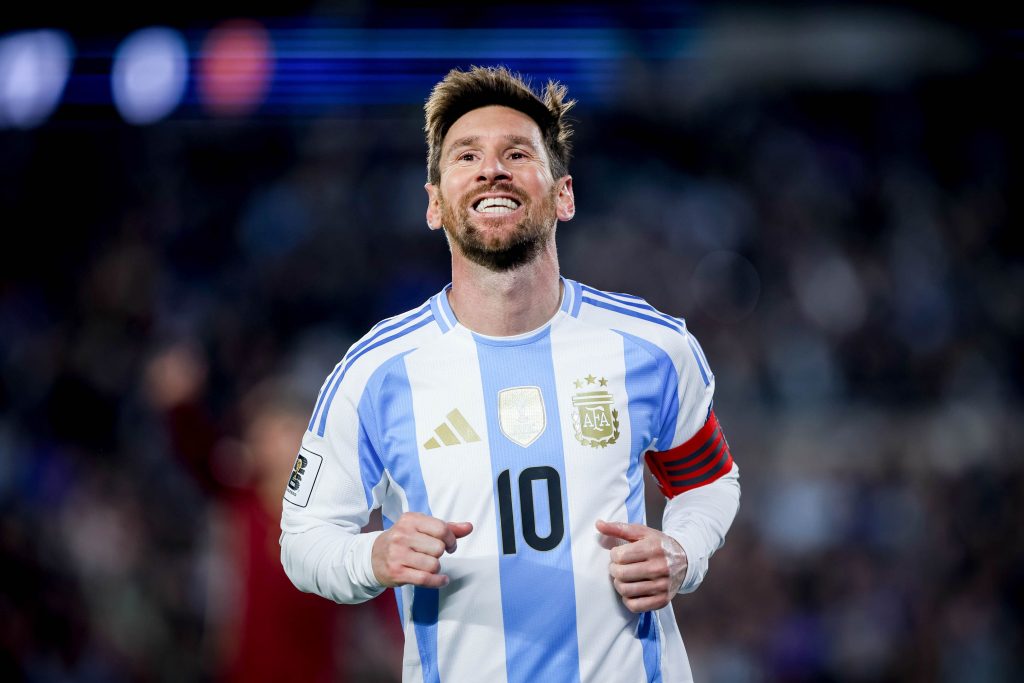
The Origins of Greatness in Football
Football history is built on the shoulders of extraordinary players whose careers did more than win trophies; they changed how the game itself was understood. From the earliest pioneers to the modern global icons celebrated by fans of HUBET, the sport has evolved through talent, discipline, creativity, and leadership. Legendary footballers did not simply score goals or lift cups. They introduced new standards for technique, professionalism, and influence, turning football into the world’s most beloved game. Their stories show that the history of football is really the history of people who refused to accept limits and instead redefined what was possible on the pitch.
Key reasons early legends mattered
- They helped shape the first tactical identities of the sport.
- They inspired future generations to treat football as both art and competition.
- They proved that individual brilliance could elevate an entire team.
- They helped football spread from local passion to worldwide culture.
The Pioneers Who Built the Game’s Foundation
Before football became the polished, global spectacle people know today, a few players helped establish its structure and identity. These early legends did not have the luxury of advanced training facilities, giant stadiums, or modern media attention. What they had was immense skill, courage, and the ability to stand out in a sport still finding its own rules and rhythm. Their impact was not always measured in statistics, because many of the records from those eras were incomplete. Yet their reputations endured because they represented the purest form of football greatness. They showed that the game could be more than recreation; it could become a serious cultural force.
Why the pioneers remain important
- They helped define the first styles of organized play.
- They proved football could attract mass attention and loyalty.
- They created a foundation for the tactical evolution that followed.
- They gave later generations a model of excellence to pursue.
The Mid-Century Icons Who Made Football a Global Language
As football expanded across continents, a new generation of players became symbols of skill and national pride. These legends brought elegance, intelligence, and unforgettable moments to the sport. Their careers were often tied to historic tournaments, dramatic victories, and long-lasting emotional connections with fans. They were not only athletes but also cultural figures whose influence extended far beyond the stadium. In many countries, children learned to dream through watching these players perform. Their brilliance helped football become a universal language spoken in every corner of the world. Their careers also demonstrated that greatness could be both deeply personal and widely shared, touching entire communities at once.
What defined this era of legends
- Outstanding individual skill matched with tactical awareness.
- Major tournament performances that became part of national identity.
- A growing sense that football stars could inspire global audiences.
- The rise of media coverage that turned players into international icons.
Pelé, Cruyff, and the Art of Transforming Possibility
Few names carry as much historical weight as Pelé and Johan Cruyff. Pelé represented a complete footballer: powerful, graceful, intelligent, and relentlessly effective. His career helped establish the idea that a player could dominate the sport while also embodying joy and imagination. Cruyff, meanwhile, transformed football with his vision and philosophy. He was not only a brilliant player but also a thinker who changed how teams approached movement, spacing, and possession. Together, they represented two sides of football genius: one rooted in irresistible brilliance and the other in revolutionary thinking. Their influence remains visible in modern tactics, youth development, and the expectation that football should be beautiful as well as successful.
Their lasting contributions
- Pelé set a standard for complete attacking excellence.
- Cruyff helped shape possession-based football and modern positional play.
- Both proved that style and substance could coexist.
- Their influence continues in academies, coaching methods, and elite competition.
Maradona and the Power of a Single Player to Define an Era
Diego Maradona’s history in football is one of astonishing talent, emotional intensity, and unforgettable drama. He became a symbol of individual brilliance at its most extreme, capable of changing matches almost alone. His famous performances showed that football can still be unpredictable even when tactics are highly organized. Maradona’s career also highlighted the deep relationship between a player and the supporters who see themselves reflected in his struggle, passion, and defiance. He was flawed, controversial, and human, which made his genius feel even more real. His story remains one of the strongest examples of how a footballer can become larger than the game while still being inseparable from it.
Why Maradona still fascinates fans
- He delivered some of the most iconic moments in tournament history.
- He showed how one player’s creativity can alter the fate of a team.
- He combined technique, bravery, and charisma in a rare way.
- He remains a reference point whenever football’s emotional side is discussed.
Modern Superstars and the Commercial Age of Football
The modern era introduced new pressures and new possibilities. Players became not only athletes but also brands, public figures, and global ambassadors. This was the age in which football’s audience grew dramatically, and every match could be watched in real time by millions. In this environment, stars such as Lionel Messi and Cristiano Ronaldo rewrote expectations for consistency, longevity, and professionalism. Their rivalry became one of the defining stories of contemporary sport, pushing each player to reach heights that seemed almost impossible. At the same time, their careers reflected the changing business and media landscape of football, where performance, image, and influence all matter at once. In discussions of Nhà cái HUBET and modern sports culture, their names often symbolize the level of excellence that fans now expect from elite players.
Features of the modern superstar era
- Extreme physical preparation and data-driven training.
- Worldwide visibility through television, social media, and sponsorships.
- Career longevity built on discipline and adaptation.
- Massive influence on youth, merchandising, and football culture.
Defenders, Midfield Maestros, and the Quiet Architects of Success
Football history is often told through strikers and spectacular goals, but the sport would not function without defenders and midfielders who control balance, tempo, and structure. Players such as Franz Beckenbauer, Xavi, and Andrés Iniesta demonstrated that intelligence can be as decisive as athletic power. Beckenbauer brought elegance to defense and helped redefine what a sweeping defender could do. Xavi and Iniesta created a rhythm of control that made their teams nearly impossible to disrupt. Their careers remind us that football is a collective art, and the most influential players are not always the loudest or most obvious. Sometimes the deepest change comes from those who make the game look calm, simple, and beautifully organized.
Their influence on the sport
- They turned passing and positioning into elite competitive weapons.
- They showed that defensive and midfield roles can shape entire generations.
- They influenced coaching philosophies across club and national football.
- They proved that control can be as exciting as direct attacking play.
Women’s Football Legends Who Redefined the Conversation
The history of football cannot be complete without the women who fought for recognition and transformed the sport through excellence. Players such as Marta, Mia Hamm, Birgit Prinz, and others opened doors that had long remained closed. Their careers advanced the visibility of women’s football and proved that greatness is not limited by gender. They inspired young players, expanded fan bases, and helped change the way institutions invested in the women’s game. Their impact was not only athletic but also social, because every success made the sport more inclusive and more representative of global talent. Their stories belong in football history because they helped write a broader, fairer definition of what legendary status means.
What these legends changed
- They increased the credibility and popularity of women’s football.
- They inspired structural investment in leagues, youth systems, and competitions.
- They demonstrated world-class technical ability on the biggest stages.
- They made football history richer, more complete, and more accurate.
How Legendary Careers Continue to Shape the Future of Football
When people look back at football history, they often focus on trophies, goals, and highlight reels. But the true measure of a legendary career is how it changes the future. Great players alter training habits, tactical thinking, fan culture, and even the dreams of children who pick up a ball for the first time. The sport keeps evolving, but every new generation inherits ideas, standards, and ambitions created by those who came before. That is why football history matters so much: it is not just a record of the past, but a blueprint for what comes next. The legacy of the game’s greatest names continues to shape academies, professional clubs, and the expectations of supporters everywhere.
The continuing legacy of legendary players
- They raise the standard for skill and professionalism.
- They influence how coaches teach, plan, and adapt.
- They keep football connected to its emotional roots.
- They ensure the sport remains both competitive and meaningful.
A Lasting Football Legacy That Still Inspires Every Generation
The history of football players is ultimately a story of transformation. Legends do not merely appear in the record books; they change the way the world sees the sport. From the pioneers who helped establish football’s identity to the modern icons who dominate a global stage, each era has produced players whose careers became turning points. Their achievements remind us that football is not just about winning matches. It is about imagination, leadership, sacrifice, and the ability to inspire others. The greatest footballers made the game bigger than themselves, and that is why their stories remain unforgettable. Long after the final whistle, their influence lives on in the style of play, the dreams of young athletes, and the passion of fans across the world.