
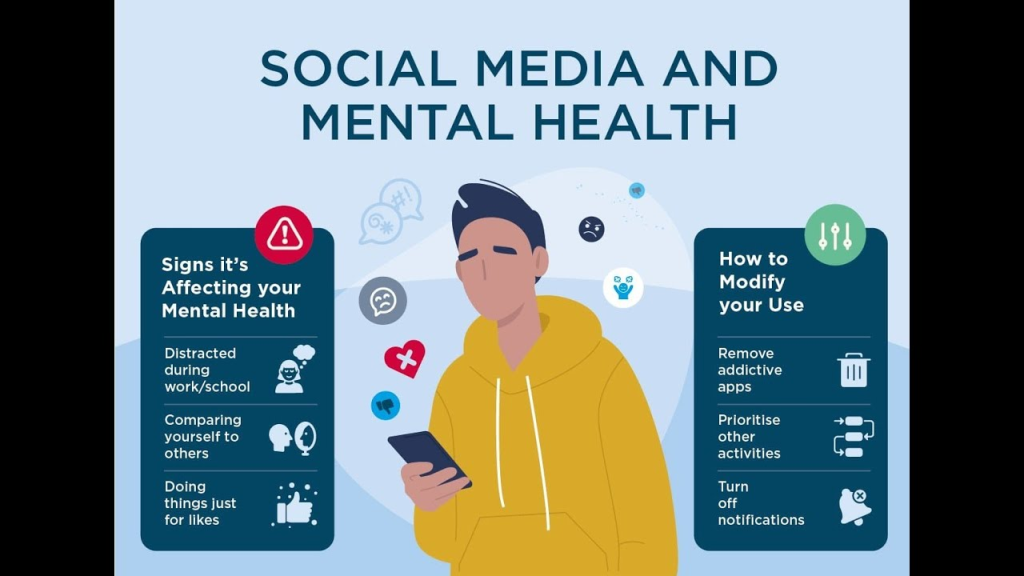
The connection of trends to mental health has gained more significance in the current rapidly digitalized society. Trends dictate the way individuals think, act, and view themselves as a result of social media issues, lifestyle, and wellness trends. As much as trends may be motivating and feel relatable, they may cause pressure and anxiety as well as emotional stress. This is a mutually beneficial association for individuals and brands engaging in promoting the use of responsible and aware communications while increasing their brand visibility.
What Is the Relationship Between Trends and Mental Health?
The influence of trends on mental health has been huge since they are the very factors that change one’s perception of oneself, the community, and the present way of living. On one hand, a trend such as mindfulness, self-care, and being aware of one’s mental health can elevate a person’s emotional state, while on the other hand. The regular presence of unattainable marks and very quick trends may indeed undermine one’s image and confidence.
Accordingly, increased consciousness of these consequences will guide people to practice their choices with mindfulness and also lead brands to assume. The route of promoting their products in a manner that is not emotionally damaging to consumers.
Why This Relationship Matters in the Digital Age
Social media is the quickest way of spreading trends in the digital age. Citizens are constantly bombarded with edited lifestyles, perfectness, and visual perfection. This situation may result in comparison, fear of missing out (FOMO), and burnout.
The importance of this relationship to brands is that audiences are increasingly conscious of mental health issues. Firms that are empathetic, authentic, and responsible in trend-based content will have a greater chance of developing trust and increasing their brand presence in a competitive market.
The goal is to help audiences:
- Feel represented rather than pressured
- Engage with content without emotional stress
- Trust brands that promote balance and well-being
Key Ways Trends Influence Mental Health
1. Social Media and Comparison Culture
Comparison can be promoted by the social tendencies on social networks such as Instagram and TikTok. Although they can be stimulating to creativity, they can also demoralize oneself and add anxiety when expectations are perceived to be unachievable.
2. Fast-Changing Trend Cycles
The limited duration of trends puts a strain on adapting all the time. This may result in mental exhaustion of people and irrelevant messaging of brands.
3. Rise of Mental Health Awareness Trends
Good trends involving therapy, self-care, and mindfulness make mental health discussions normal. It is quite possible that by means of brands which are part of such movements, you will be able to enhance the brand’s visibility and, at the same time, make a good impact on the world.
4. Impact on Positive Consumer Behavior
Trends affect the buying habits and lifestyles with an unparalleled force. Trend-watching and the consequent adoption of the new practices in an ethical manner not only prevent the negative impact but also create trust over time.
How Brands Can Use Trends Responsibly
Brands are influential in terms of the impact of trends on mental health. Organizations have to be real and value-driven rather than chasing every viral moment. Ethical advertising does not involve lying and promotes diversity and transparency. Through correlation with up-to-date and significant trends, companies will be able to:
- Create feelings of intimacy between them and the audience.
- Promote healthier digital habits
- Strengthen your brand exposure through trust and credibility
This approach ensures growth without sacrificing audience well-being.
How Understanding Trends Improves Mental Well-Being
Understanding the role of trends in influencing feelings will enable people to establish limits and settle on what will actually be valuable to their lives. On the same note, a brand that knows about this relationship can produce content that informs, inspires, and supports, without overwhelming. This is a moderate strategy that enables trends to be used as growth tools rather than as stressors.
Final Thoughts
The correlation between trends and mental health is a complicated yet highly intertwined correlation. Trends may trigger creativity and bonding, but they may also be a source of tension and envy unless taken with a sense of awareness. Among people, consciousness is essential. Responsibility is necessary for brands.
Enhancing authenticity, balance, and mental health, businesses may enhance their brand presence and make a good and memorable impression in the trend-driven world.