
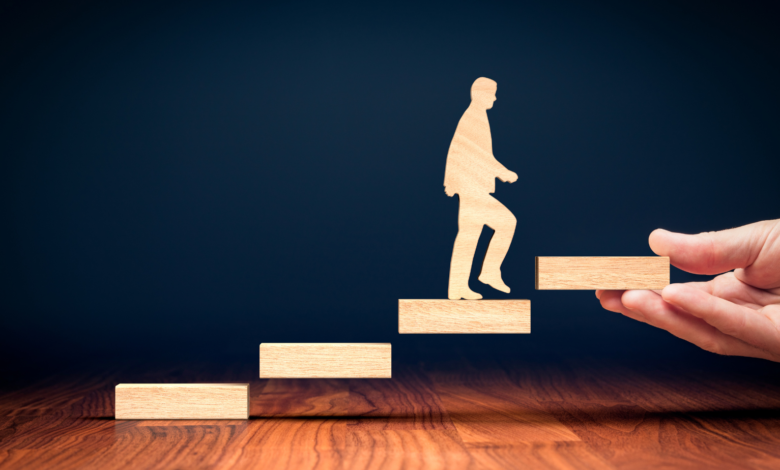
Change rarely asks for permission. It arrives through new jobs, shifting relationships, health challenges, relocations, or unexpected financial stress that might even push someone to research options like debt consolidation. Our instinct is often to stabilize things as quickly as possible. We want normal again. Predictable again. Comfortable again.
But what if ongoing change is not a disruption to personal growth? What if it is the engine of it?
Instead of waiting for life to calm down before focusing on self-improvement, you can treat every transition as raw material for development. Growth does not happen in stillness alone. It happens in motion.
Seeing Change as a Training Ground
Most people think growth requires ideal conditions. More time. Less stress. Clear direction. In reality, change forces growth in ways comfort never could. When circumstances shift, your routines are interrupted. That interruption creates awareness. You notice habits you were operating on autopilot. You recognize strengths you did not know you had. You confront weaknesses that need attention.
Psychologists studying resilience have found that adaptability improves through exposure to manageable stressors. The American Psychological Association discusses how resilience develops through navigating challenges, not avoiding them. Change becomes a training ground. Each adjustment builds psychological flexibility.
Shifting from Reaction to Intention
Ongoing change can feel chaotic. Without intention, you slip into reaction mode. You scramble to respond to whatever is happening next. Personal growth requires slowing that reaction cycle. Instead of asking, Why is this happening to me, try asking, What is this asking of me?
A new job might require stronger communication skills. A move to a new city might push you to build social confidence. Financial adjustments might demand more discipline and clarity.
When you view change as a teacher, you look for the lesson instead of only the inconvenience.
Building Adaptive Habits
Growth through change is not about grand gestures. It is about consistent adaptation.
Start by strengthening small habits that support stability. Regular reflection helps you process new experiences. Journaling can clarify emotions and identify patterns. Setting short term goals keeps progress tangible.
The Greater Good Science Center at the University of California, Berkeley highlights how practices like gratitude and mindfulness enhance emotional regulation during transitions. Their science-based articles explore how awareness reduces stress and supports resilience.
Adaptive habits anchor you while everything else moves. They create continuity inside change.
Learning to Release Control
One of the hardest parts of ongoing change is uncertainty. You cannot control every outcome. Plans evolve. Timelines shift. Expectations must adjust.
Personal growth deepens when you learn to release rigid control while maintaining responsibility for your response. This balance builds maturity.
Instead of clinging to a specific outcome, focus on values. If integrity, growth, or connection matter most to you, let those guide your decisions. Outcomes may vary, but your principles remain steady.
Letting go of excessive control does not mean apathy. It means trusting your ability to navigate whatever unfolds.
Expanding Identity Through Transition
Change challenges identity. If you define yourself by a specific role or environment, transition can feel disorienting.
But identity is not fixed. It expands through experience. Each new season adds dimensions to who you are.
If you leave a long-held job, you might discover creative interests you neglected. If you move away from familiar surroundings, you may uncover independence you did not realize you possessed.
Ongoing change invites you to see yourself as evolving rather than static. Growth becomes less about reaching a final version and more about continuous development.
Turning Setbacks into Skill Building
Not every change feels positive. Some transitions involve loss, disappointment, or failure.
Growth through these moments requires reframing. Ask what skills are being built. Patience. Problem solving. Emotional regulation. Courage.
Resilience is not built by avoiding hardship. It is built by recovering from it. Each setback strengthens your ability to adapt next time.
When you document lessons learned, you create a record of progress. Over time, you realize that past challenges prepared you for current ones.
Creating Forward Momentum
Ongoing change can make you feel unsteady. To counter that, create small forward movements.
Choose one area to improve during a transition. Learn a new skill. Strengthen a routine. Expand your network. Even modest steps restore a sense of agency.
Momentum builds confidence. Confidence fuels further growth.
Instead of waiting for life to stabilize before pursuing improvement, integrate growth into the transition itself.
Embracing the Process
Fostering personal growth through ongoing change requires a mindset shift. You stop waiting for perfect conditions. You stop postponing development until life slows down.
You recognize that change is not an interruption to your growth. It is the path of it.
Transitions will continue. Circumstances will evolve. Plans will adjust. When you approach each shift with curiosity, intention, and adaptability, growth becomes continuous.
Personal development is not a destination reached after change ends. It is cultivated within the movement. And when you embrace that movement, you realize that growth is not something you chase. It is something you practice every day.